
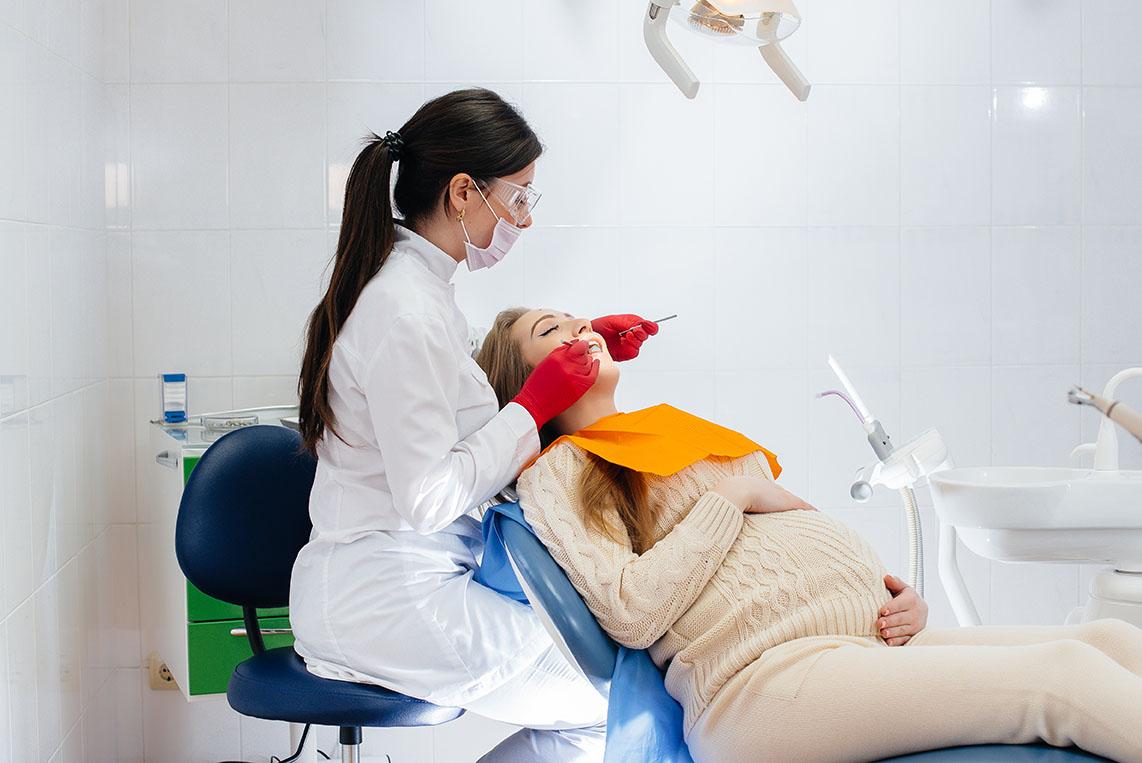
Pregnancy brings with it a steep rise in hormone levels. This can cause some dental issues, as your teeth are depleted of calcium and may become weaker. It can also cause gum bleeding, swelling and irritation. These issues must be treated swiftly to ensure no further, more complex problems develop.
Root canal treatment is a highly effective dental procedure that involves removing infected pulp from the root canal of a tooth. However, various myths have led to many pregnant women feeling concerned about the safety of the root canal procedure during pregnancy.
Root canal treatment is considered a safe procedure to undergo during pregnancy at our dentist Leighton Buzzard. However, it is advised that you have a professional consultation with your dentist and a chat with your GP or midwife before you plan the treatment.
If you have a fear of dental treatment, it could make the root canal a stressful experience. This would not be suited to everyone, particularly if you have a high-risk pregnancy.
The Best Time for Root Canal Treatment During Pregnancy
Root canal treatment uses modern, pain-free techniques to ensure minimal stress for the patient. It is important to have the procedure as soon as an issue arises. It is usually considered risky to have root canal in the first trimester of pregnancy. The third trimester could make treatment uncomfortable. For this reason, the second trimester is regarded as the best and safest part of pregnancy for root canal. This is between weeks 13-28.
Is Anaesthesia Safe for Root Canals During Pregnancy?
The use of anaesthesia should be discussed before a treatment plan is made. Local anaesthesia with epinephrine is safe for pregnancy, as long as the dose is not excessive. The use of this anaesthesia will numb the pain, therefore reducing stress for the patient and baby.
Root Canal Treatment Plan During Pregnancy
The procedure will usually be carried out over two appointments. First, the area around the tooth will be numbed and then covered with a rubber sheet to protect your teeth from infection. Next, a hole is made in the tooth’s crown. Finally, the pulp is removed from the tooth, and if there is an abscess present, this will be drained.
A temporary filling will be used to fill the tooth. This will be replaced with a permanent one at the next appointment once the dentist has confirmed the treatment was successful and no infection remains.
For more information on the dental treatments we offer at Pear Tree Dental, contact us on 01525 372732.
